
Approaching Leonardo AI from a practical angle, it feels less like just another AI tool and more like an evolving creative workspace powered by Artificial Intelligence. The platform’s focus on visual storytelling through generative content has made it popular among designers who want control without sacrificing quality. From experience, the real strength lies in how the system adapts each update, refines workflows, while new tools expand what kind of videos, and creative content can be produced efficiently.
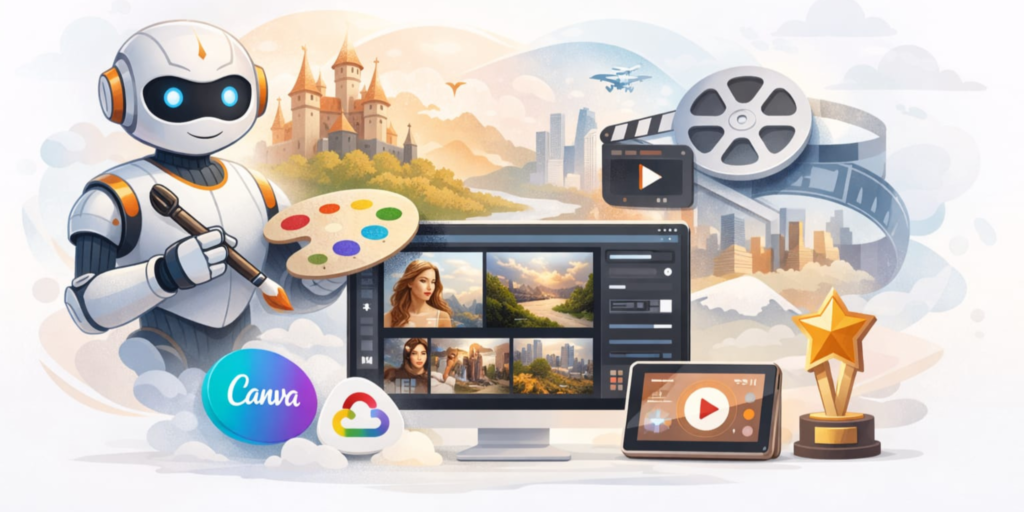
Its journey, marked by pivotal updates, visible feature rollouts, notable partnerships, and occasional controversies, shows how fast this powerful creative engine is shaping the future of high-quality images with a strong emphasis on artistic flexibility and professional quality.
What Is Leonardo AI?
Leonardo AI is a platform built on Artificial Intelligence that works as a powerful creative engine for producing generative content such as high-quality images, videos, and creative content. From my hands-on use as a content creator, what stands out is how smoothly it balances speed with artistic flexibility and professional quality, making it useful for both beginners and professionals.
Instead of relying on one rigid style, it allows experimentation while keeping results polished. Over time, its growth has been shaped by pivotal updates, steady feature rollouts, strategic partnerships, and even public controversies, all of which have influenced how creators trust and adopt the tool.
Launch and Initial Capabilities (2022–2023)
December 2022, Leonardo AI first launched with basic text-to-image generation, allowing users to input prompts and get unique AI-generated art and graphics. Early features included image upscaling, transparency backgrounds, and simple style presets that helped users polish outputs without complex workflows.
This period positioned Leonardo as a highly accessible entry point into AI-driven art creation simple enough for novices yet powerful enough for creative workflows.
Acquisition by Canva & 2024 Expansion
A major turning point came when Canva, the graphic design platform used by hundreds of millions globally, acquired Leonardo AI. This move instantly supercharged the platform with Canva’s design ecosystem and development resources.
Post-acquisition, Leonardo AI continued to operate as a standalone creative engine but with deeper resources to scale features and performance.
Key developments in 2024 included:
- Expansion of foundational models like Phoenix powerful engines capable of producing detailed high-quality images.
- Growing user base, reportedly exceeding 29 million registered users who have generated over 1 billion artworks across industries such as film, advertising, fashion, education, and more.
This period proved that Leonardo AI wasn’t just a hobbyist tool, it was becoming a core utility in professional creative workflows.
Major Feature Additions & Platform Evolution (2025)
Leonardo AI entered 2025 with an impressive slate of features that positioned it as more than an image generator, it became a full creative suite capable of handling multimedia content.
Omni Editing & Smart Image Workflow
In May 2025, Leonardo introduced Omni Editing, a transformative feature that lets creators edit images within the same workflow where they generated them, eliminating the need to switch between tools. This inline editor, powered by advanced models like FLUX.1 Kontext and GPT-Image-1, allows users to modify colors, adjust style, add or remove elements, and refine compositions all in one place.
Why this matters:
- Cuts down creative time.
- Reduces reliance on external graphic tools.
- Brings unprecedented control directly into the Leonardo interface.
Next-Gen Video: Motion 2.0 & Veo Integration
Initially known for still images, Leonardo AI has rapidly expanded into video creation:
- Motion 2.0 (2025): Added cinematic motion capabilities, enabling creators to animate images based on simple prompts and produce dynamic, storytelling visuals.
- Veo 3 Integration (Late 2025): This Google-developed generative video model now available in Leonardo adds realistic audio, lighting, and motion to AI-generated scenes, making full-featured content creation more accessible than ever.
These tools let users go from a text description not just to a static image, but to immersive animated visuals with soundtrack and cinematic elements something that only a few AI platforms globally can currently achieve.
Infrastructure Partnerships & Scaling
To handle massive creative workloads and deliver fast results at scale, Leonardo AI partnered with Google Cloud in early 2025. This collaboration aims to leverage high-performance cloud infrastructure especially Google’s Vertex AI and custom inference clusters to accelerate generation times and increase reliability.
Google Cloud also plays a role in Flow State, a tool that iterates and refines output continuously based on prompt adjustments. This enables dynamic workflows, something essential for professionals seeking multiple variations and precise control.
Industry Adoption & Ecosystem Integration
Leonardo AI’s influence has extended beyond its own platform through integrations and partnerships with major industry players:
- Cloudflare Workers AI: Leonardo’s image-generation models (such as phoenix-1.0 and lucid-origin) were added to Cloudflare developer platform to enable creative applications and custom app experiences built around Leonardo’s AI core.
- Creative & Brand Collaborations: Senior technologists from Leonardo are now sharing expertise at international events, such as panels and creative showcases, highlighting how brands can leverage AI for real campaigns.
These expansions reflect Leonardo’s role not just as a standalone tool but as a platform enabling other creative ecosystems.
Challenges & Community Feedback
No platform grows without friction, and Leonardo has seen both enthusiastic adoption and user concerns:
User Complaints:
- Video “Unlimited” plan limitations: Some users report long wait times once fast-generation tokens deplete, undermining the promise of unlimited video generation.
- Performance inconsistencies: Creators sometimes report variable model performance or output quality especially when transitioning from legacy models to newer generative systems.
These community discussions highlight that while Leonardo’s feature set is deep, perception of value and system responsiveness are just as important as raw capability.
What’s Next for Leonardo AI?
Going into 2026, the trajectory is clear:
- Continued expansion of video and cinematic AI capabilities.
- Deeper integration of generative tools into enterprise workflows.
- Partnerships that embed Leonardo’s models within broader creative ecosystems.
- A push toward seamless AI editing that feels indistinguishable from human tools.
While the platform will continue facing challenges especially around user experience consistency, its bold combination of image quality, creative flexibility, and scale suggests that Leonardo AI will remain a central force in generative content creation for years to come.
For more AI, cybersecurity, and digital marketing insights, visit Daily Digital Grind.
FAQs
What sets Leonardo AI apart from other generative AI tools?
Leonardo AI combines high-quality image and video generation with features like Omni Editing and deep workflow integration, emphasizing creative control and professional capabilities.
Can Leonardo AI create videos as well as images?
Yes, with features like Motion 2.0 and Veo 3 integration, users can generate animated visuals complete with motion and sound directly from text prompts.
Is Leonardo AI used by professionals or just hobbyists?
With enterprise APIs, workflow partnerships, and millions of global users, Leonardo is used across creative industries for professional work in film, advertising, design, and more.