
Cyber threats are increasing at an alarming rate. In 2025, many organizations report that ransomware attacks, phishing, and web-based intrusions continue to increase. According to a 2024–2025 network‑security industry survey, the global cost of data breaches has climbed, with the average data-breach cost reaching around USD 4 million.
Meanwhile, web-based attacks and data breaches have remained among the leading incident types in small-to-medium businesses, making up approximately 31% of reported cybersecurity incidents in the recent SMB Cybersecurity Survey.
These statistics show just how imperative network‑level defenses such as firewalls are today, especially as organizations increasingly operate in hybrid cloud‑integrated environments.
Key Takeaways
- Firewalls provide a barrier between the trusted internal networks and the untrusted external world, filtering traffic and enforcing access rules.
- They help block malicious traffic, unauthorized access attempts, and reduce the risk of malware or network-based exploits.
- Firewalls support network segmentation, which limits the reach of any intrusion and stops lateral movement inside the network.
- When properly configured and maintained, they contribute to data breach prevention by allowing an organization to manage the risk before the attackers penetrate deeper.
- While data breach costs continue to rise and web-based attacks become increasingly frequent, firewalls remain a very cost-effective foundational defense layer.
Role of Firewalls in Network Security
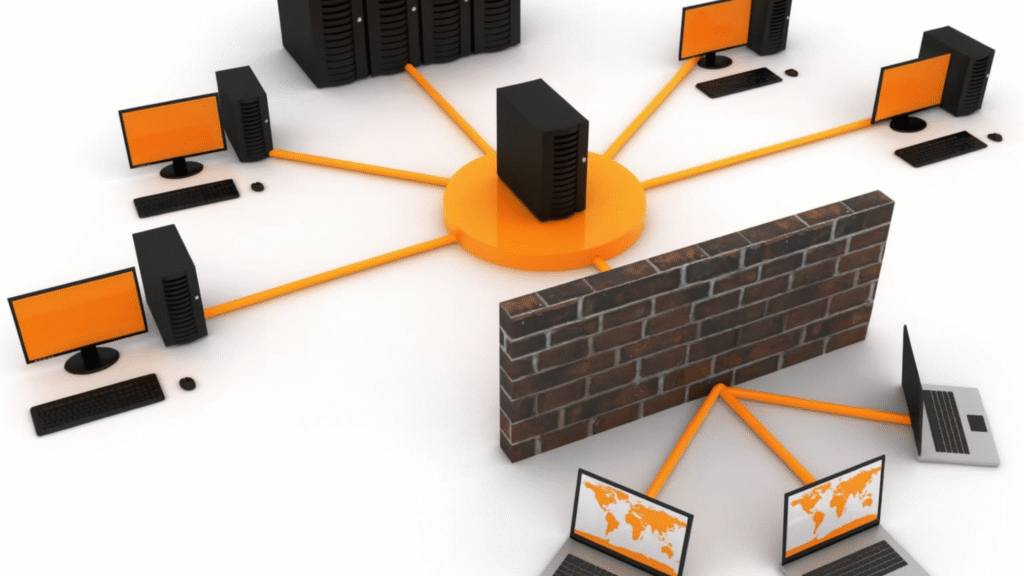
Firewalls stand as the first and most essential shield between trusted internal networks and the open internet. By examining, filtering, and controlling traffic, they help organizations prevent unauthorized access and maintain a secure, compliant digital environment.
Front line traffic filtering & access control
A firewall sets up a controlled boundary; everything that comes in from, or goes out to, the internal network has to pass through it. The firewall inspects the incoming/outgoing packet and decides whether to permit or deny it according to predefined rules. This filtering prevents unauthorized access, which blocks hackers, bots, or malware from accessing the internal network.
Blocking malware, intrusions, and malicious traffic
Given that the majority of cyber incidents have either web-based attacks or malware delivery as their source, firewalls can ward off many types of threats like network security threats, before they reach internal resources. This protection is highly needed, especially with small-to-medium businesses, where 31% of incidents were either web-based attacks or data breaches in recent reports.
Moreover, with an average global breach cost of about USD 4 million, one prevented breach alone provides substantial financial protection.
Enable Network Segmentation & Reduce Attack Surface
This can be achieved through the use of firewalls to segment a network into zones-for example, segmenting public-facing servers from internal systems. In this way, if one segment is compromised, the extent of the damage is contained. Such segmentation minimizes the “blast radius” of an attack and helps with threat containment.
Working as Part of a Multi-Layer Security & Compliance Strategy
Firewalls can be the most cost-effective first step in a layered security approach. As the frequency of attacks increases along with the costs of breaches, firewalls are a practical investment to establish a baseline defense. Controlling entry and exit traffic, firewalls complement other controls such as strong authentication, endpoint security, encryption, and monitoring to form a robust first line of defense.
Next-Generation Firewalls: Role in Modern Network Security
Classic firewalls depend on filtering the traffic at the network perimeter, NGFWs enhance protection at the application layer through in-depth traffic inspection, identification of threats, and enforcement of even more fine-grained access controls. By combining numerous security features on a single system, NGFWs are becoming essential pieces of modern network defense.
Key capabilities of NGFWs include:
- Intrusion Prevention Systems: IPS monitors and blocks malicious traffic before it reaches the network.
- Application-layer filtering: It inspects the flow of traffic at the application and not just at the IP or port level to catch sophisticated attacks.
- Antivirus and Anti-Malware: The solution secures data against ransomware, zero-day exploits, and other sophisticated threats.
- Web Filtering: This controls access to malicious or dangerous websites.
- Threat Intelligence Integration: Uses real-time threat data to proactively prevent attacks.
This means organizations can detect and block sophisticated attacks before they spread across the network. NGFWs can also enforce policies based on user identity, application type, or device behavior, helping to secure hybrid networks, cloud workloads, and remote-access environments.
Final Thoughts
As the cyber‑attack surface is continuously expanding due to increased cloud use, remote work, web applications, and third‑party dependencies, firewalls remain an important security measure. They may not be adequate on their own; however, firewalls present one of the best first lines of defense, especially when extra security controls are set up with them.
With the increasing cost of data breaches and increased frequency of web-based attacks, properly configured firewalls should be in place for each and every small and large organization. This basic step would be the distinction between a secure network and an expensive breach.
Related Link:
- What Is Network Security? Complete Guide
- Network Security Threats and How to Prevent Them
- Network Security Best Practices for Businesses
- Top Risks in Cloud Network Security and How to Address Them
- What is 5G Network Security? A Complete Guide
- How to Secure a Corporate Network in 2026: Best Practices for IT Teams
FAQs
What is the primary role of a firewall in network security?
A firewall acts as the first line of defense, filtering incoming and outgoing traffic, blocking unauthorized access, and protecting internal networks from hackers, malware, and other cyber threats.
How do firewalls help prevent data breaches?
Firewalls block malicious traffic, enable network segmentation, and control access, which limits the reach of attacks and reduces the likelihood of costly data breaches helping organizations protect sensitive information.
What is the difference between classic firewalls and next-generation firewalls (NGFWs)?
Classic firewalls filter traffic at the network perimeter, while NGFWs provide deeper protection with application-layer inspection, intrusion prevention, antivirus, web filtering, and threat intelligence integration for modern hybrid and cloud networks.